

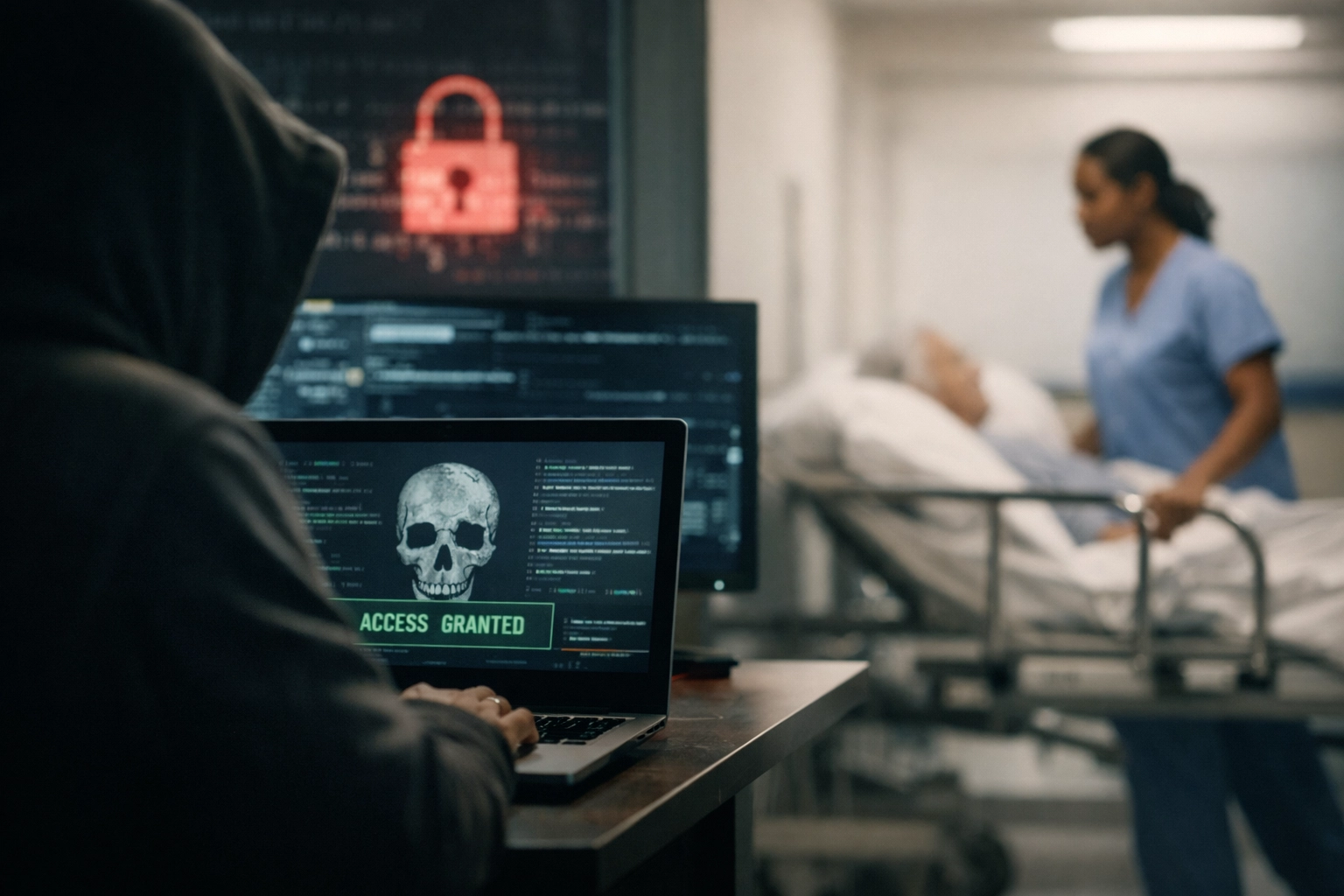
For years, the narrative surrounding cyberattacks in the medical sector has been one of "bad luck" or "sophisticated state actors" bypassing the best efforts of hospital IT teams. At US Healthcare Today, we believe this narrative is fundamentally dishonest. The truth is far more clinical: the United States healthcare system is not a victim of circumstance; it is a victim by design.
The surge in ransomware attacks: a staggering 36% increase in late 2025 alone: is the predictable result of a fragmented, profit-first infrastructure that has prioritized short-term billing efficiency over long-term digital resilience. When we follow the money, we see that the "ransomware economy" isn't just an external threat. It is a parasitic industry that has grown perfectly to fit the gaps in our systemic vulnerabilities.
The Profitability of Fragility
To understand why cybercriminals view a hospital as a "goldmine," we have to look at the value of the assets held within. In the criminal underworld, a stolen credit card number might sell for a few dollars. It is a perishable asset; once the card is canceled, its value drops to zero.
A patient’s medical record, however, is a permanent asset. It contains Social Security numbers, dates of birth, insurance details, and highly sensitive clinical histories. This information cannot be "reset" or "canceled." This makes healthcare data the ultimate currency for identity theft, insurance fraud, and long-term extortion.
But the data is only half the story. The real "gold" in the ransomware economy is the operational urgency of the US healthcare system. Unlike a retail chain or a manufacturing plant that can afford 48 hours of downtime to restore backups, a hospital deals in the currency of human lives. When systems go dark, cardiac arrest survival rates drop, surgeries are canceled, and emergency rooms become death traps. Cybercriminals know that hospital administrators are under immense pressure to pay ransoms quickly to avoid catastrophic patient outcomes. This creates a "perfect market" where the buyer (the hospital) is forced to pay whatever the seller (the criminal) demands.

Decades of Underinvestment in Infrastructure
The current crisis is the result of decades of underinvestment in core infrastructure. While the industry has spent billions on new imaging machines and pharmaceutical R&D, the underlying healthcare IT strategy for many organizations has been one of "if it isn't broken, don't fix it."
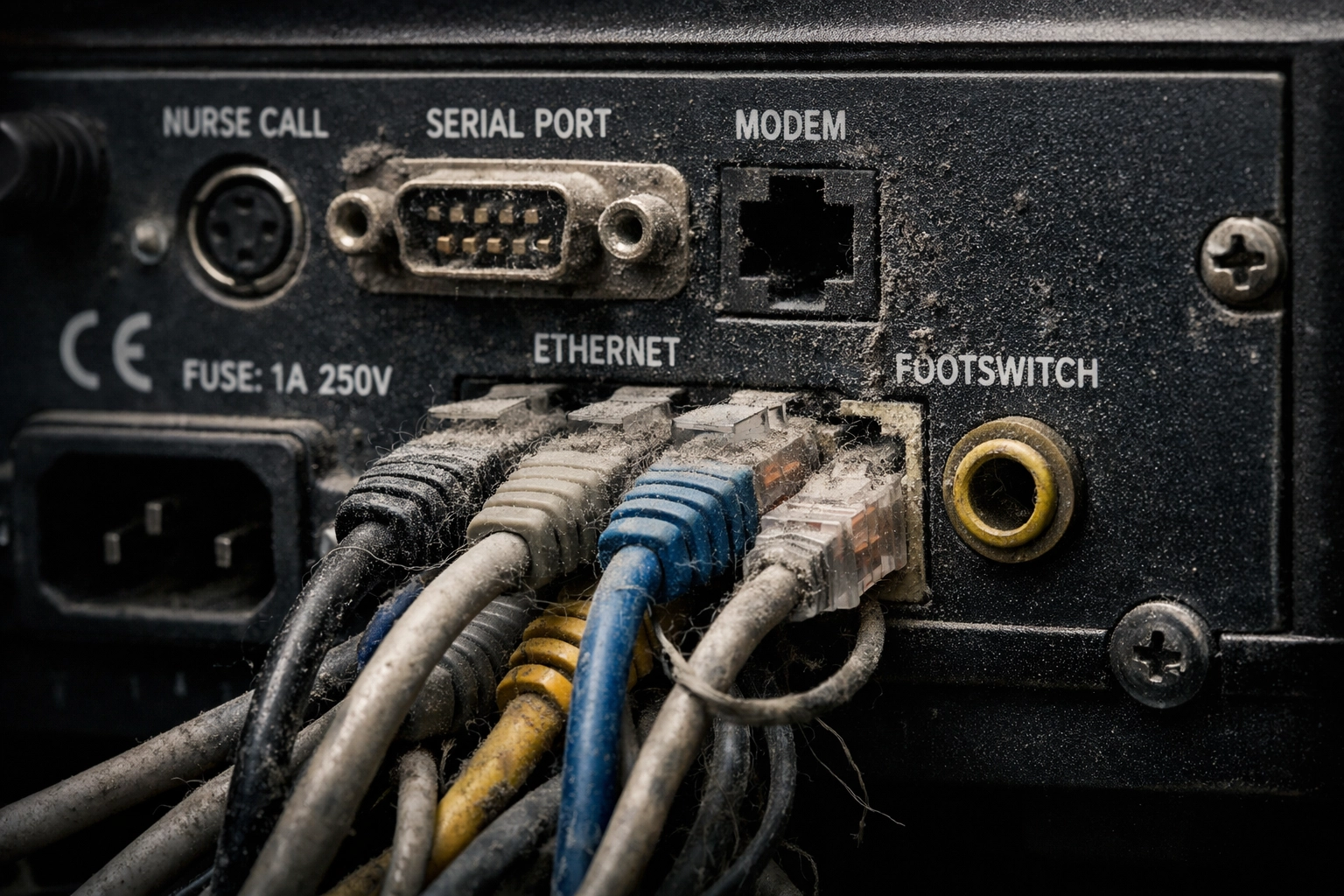
This has left us with a landscape of "legacy debt." We see hospitals running critical clinical systems on outdated operating systems that haven't received a security patch in years. We see infusion pumps and imaging equipment that were never designed to be connected to the internet, yet are now part of a flat network architecture where a single compromised workstation provides a roadmap to every piece of equipment in the building.
We must be clear: this is not an accident. This is the result of a system that views cybersecurity as a "cost center" rather than a foundational requirement of patient safety. By treating digital security as an optional expense, we have effectively built our modern medical infrastructure on a foundation of sand.
The Business of Cybercrime: Ransomware-as-a-Service
We are no longer dealing with "hackers in basements." The ransomware economy has professionalized. Criminal organizations now operate as "Ransomware-as-a-Service" (RaaS) providers. They have help desks, marketing departments, and specialized developers. They analyze the healthcare economics of their targets to ensure their ransom demands are high enough to be profitable but just low enough that a hospital's insurance provider might actually pay.
These groups have refined the "double-extortion" model. It is no longer enough to just encrypt the data and demand money for the key. In 96% of recent healthcare attacks, criminals exfiltrate the data first. If the hospital refuses to pay the ransom to unlock their systems, the criminals threaten to leak sensitive patient records on the dark web. This ensures a secondary revenue stream and exerts maximum pressure on boards of directors who fear the legal and reputational fallout of a massive data breach.
The Fragmented System and Upstream Vulnerabilities
The US healthcare system is notoriously fragmented. A single patient interaction might involve a hospital, a third-party laboratory, a billing vendor, an insurance clearinghouse, and a cloud storage provider. This complexity is a gift to cybercriminals.
Instead of attacking the well-defended front door of a major hospital, attackers are increasingly targeting "upstream" vendors. The February 2024 attack on Change Healthcare demonstrated the terrifying efficiency of this strategy. By compromising one central node in the financial plumbing of the system, attackers were able to disrupt operations for thousands of providers across the country.
This highlights a critical failure in current US healthcare system problems: our interconnectedness has outpaced our collective security. We have built a system where every organization is only as secure as its most vulnerable vendor.
The Cost of Compliance vs. The Cost of Security
For too long, the healthcare industry has confused "compliance" with "security." Having a HIPAA-compliant checklist does not mean a hospital is secure from a modern ransomware attack. Compliance is a baseline; it is a legal requirement designed to protect privacy, not an operational strategy designed to ensure resilience.
The "ransomware economy" thrives in this gap. Criminals do not care about your compliance certificates. They care about your open ports, your unpatched servers, and your employees who haven't been trained to recognize a sophisticated phishing attempt. As long as we continue to treat cybersecurity as a box to be checked for auditors rather than a core component of clinical excellence, the goldmine will remain open for business.
A Systemic Pivot is Required
Addressing the ransomware crisis requires more than just better firewalls or more expensive software. It requires a fundamental shift in how we value digital health. We must move toward a model of "security by design," where every new piece of technology and every new clinical workflow is evaluated through the lens of risk.
- Network Segmentation: We must move away from flat networks. A compromise in the billing department should never be able to reach the surgical suites.
- Legacy System Decommissioning: We have to address the "technical debt" of old clinical systems. If a device cannot be secured, it should not be on the network.
- Vendor Accountability: We need to hold our technology partners to the same safety standards we apply to medical devices. Cybersecurity should be a non-negotiable part of any procurement contract.
- Collective Defense: The healthcare industry must stop competing on security. Sharing threat intelligence and defense strategies across organizations is the only way to counter the professionalized networks of cybercriminals.
Conclusion
The ransomware economy is a symptom of a much deeper disease within the American medical landscape. We have built a system that is incredibly efficient at generating revenue and data, but dangerously fragile when it comes to protecting either.
At US Healthcare Today, we believe that the only way to close the "goldmine" is to stop treating cybersecurity as an IT problem and start treating it as a public health crisis. Until the cost of underinvestment in infrastructure becomes higher than the cost of a ransom payment, the criminals will continue to follow the money. And in the US healthcare system, the money is exactly where they left it: trapped in a fragmented, outdated, and profitable-yet-fragile architecture.
We invite you to explore our featured blocks for more in-depth analysis of the intersection between technology and health policy. The era of seeing ransomware as "bad luck" must end; the era of systemic accountability must begin.
Leave a Reply