


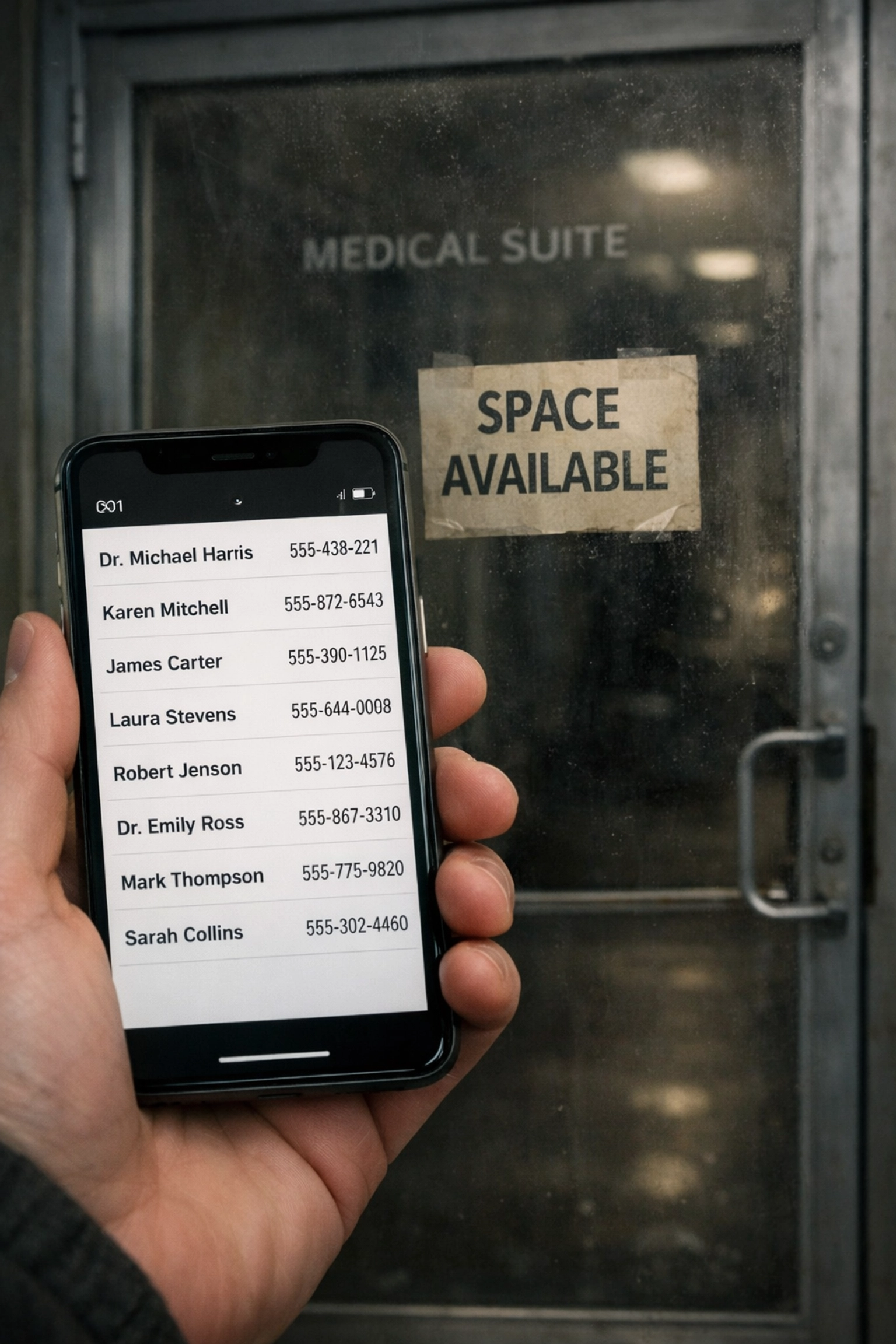
For a patient seeking urgent medical care or mental health support, a provider directory is supposed to be a lifeline. In theory, it is a curated list of professionals who have agreed to provide services at negotiated rates. In practice, however, these directories are increasingly resembling works of legal fiction. We are witnessing the rise of the "ghost network": a phenomenon where insurance companies list providers who are retired, deceased, not taking new patients, or simply do not exist at the listed location.
At US Healthcare Today, we view these inaccuracies not merely as administrative lapses but as a fundamental breakdown in the contract between payers and the public. When an insurance company markets a plan based on its robust "network," and that network is filled with phantoms, the product being sold is a misrepresentation. This is no longer just a source of patient frustration; it is a legal and regulatory battleground that is finally reaching a boiling point.
The Anatomy of a Phantom Directory
A ghost network is defined by its disconnect from reality. A recent study by the Senate Finance Committee found that in some secret shopper surveys, upwards of 80% of listed mental health providers were unreachable, not in-network, or not accepting new patients. This is not a marginal error rate; it is a systemic failure.
The inaccuracies generally fall into three categories:
- Administrative Decay: Providers who left the network years ago remain on the list to bolster the perceived size of the network.
- The "Not Accepting" Barrier: Providers are technically in-network but have no capacity, a fact the insurer fails to track or disclose.
- Physical Inaccuracies: Wrong phone numbers, incorrect suite numbers, or providers listed at locations where they have never practiced.
For policy makers, these inaccuracies represent a direct threat to healthcare-economics. If a patient cannot find an in-network provider, they often delay care until a condition worsens, eventually landing in the emergency room: the most expensive possible point of care. Alternatively, they are forced to go out-of-network, bearing the full brunt of the healthcare-costs themselves, despite paying high monthly premiums for "coverage."
The Elevance Health Lawsuit: A Catalyst for Accountability
The legal fiction of "in-network" status is currently being tested in the courts. A significant class-action lawsuit against Elevance Health (formerly Anthem) has brought these issues into sharp focus. The litigation alleges that the insurer maintained inaccurate directories to intentionally deceive consumers into purchasing plans that lacked the promised access to care.
The core of the argument is that Elevance used these ghost networks to satisfy state and federal "network adequacy" requirements. By padding their lists with inactive or unreachable providers, they created a veneer of compliance while avoiding the actual cost of contracting with a sufficient number of active providers. This practice essentially allows payers to collect premiums for a service: access to a network: that they are not actually providing.
We believe this lawsuit marks a turning point. For years, insurers have treated directory maintenance as a low-priority back-office task. The Elevance case elevates it to a matter of consumer fraud and breach of fiduciary duty. If the courts rule that an inaccurate directory constitutes a deceptive trade practice, it will force a massive digital-transformation across the industry as payers scramble to verify their data.
The Economic Logic of Inaccuracy
To understand why ghost networks persist, we must look at the healthcare-incentives currently in place. Under the status quo, insurance companies have very little financial incentive to maintain accurate directories.
Maintaining a real-time, verified list of providers is expensive. It requires constant outreach, sophisticated data integration, and a willingness to remove providers from the list, which might make the network look "thin" to regulators. Conversely, an inaccurate directory acts as an inadvertent gatekeeper. If a patient gives up after calling five "in-network" doctors who don't answer, the insurance company saves money by not paying out a claim.
This is the dark side of healthcare-finance. Inaccuracy functions as a barrier to utilization. When "in-network" is a legal fiction, the payer shifts the burden of navigating the system entirely onto the patient. This isn't an accidental glitch; it is a feature of a system that prioritizes hospital-margins and payer profits over clinical access.

The Regulatory Failure and the No Surprises Act
Legislative attempts to solve this problem have been, thus far, insufficient. The No Surprises Act (NSA), which took effect in 2022, included provisions requiring insurers to verify their directories every 90 days and to remove providers who haven't responded. It also states that if a patient relies on an inaccurate directory and sees an out-of-network provider, they should only be charged the in-network rate.
However, the enforcement of these provisions has been lackluster. CMS and state regulators have historically lacked the resources to perform the "secret shopper" audits necessary to catch these discrepancies. Furthermore, the burden of proof still rests on the patient. To benefit from the NSA’s protections, a patient must prove they relied on a specific, inaccurate directory entry: a task that is difficult when directories are digital and constantly changing.
We argue that the current regulatory framework treats the symptom rather than the disease. As long as "network adequacy" is measured by the length of a list rather than the availability of appointments, ghost networks will continue to haunt the system. We need a shift toward value-based-care metrics that include "time-to-appointment" as a key performance indicator.
Mental Health: The Epicenter of the Crisis
Nowhere is the impact of ghost networks more devastating than in behavioral health. While a patient might be able to wait a few weeks for a dermatologist, a person in a mental health crisis cannot afford to call 20 numbers only to find that 15 are disconnected and 5 aren't taking new patients.
The mental health parity laws require insurers to provide the same level of access to mental health services as they do for medical and surgical services. However, if the medical network is real and the mental health network is a ghost, parity is an illusion. This disparity is a primary driver behind the push for stricter u-s-healthcare-system reforms. Policy makers are beginning to realize that "coverage" does not equal "access," and that ghost networks are the primary tool used to circumvent parity requirements.

A Path Forward for Healthcare Leadership
Fixing the ghost network crisis requires a multi-pronged approach from healthcare-leadership and policy makers:
- Standardized Data Exchange: We must move away from manual directory updates. Insurers and providers need a centralized, standardized "source of truth" for provider data, likely powered by modern healthcare-it-strategy and blockchain or high-integrity API integrations.
- Meaningful Penalties: Fines for inaccurate directories must exceed the cost of maintaining them. Until the financial pain of a ghost network outweighs the cost of data cleanup, insurers will continue to treat accuracy as optional.
- Appointment-Based Adequacy: Regulators should move away from geographic "provider-to-patient" ratios and toward "actual appointment availability." If an insurer claims to have 500 doctors in a zip code, but none have an opening for six months, that network is inadequate.
- Direct Redress for Patients: We support a system where patients are automatically reimbursed for the difference in cost if they can prove a directory led them to an unavailable provider, without the need for complex appeals processes.
Conclusion: Dismantling the Fiction
The "in-network" designation should be a guarantee, not a suggestion. As the Elevance lawsuit moves forward and federal scrutiny intensifies, the era of the ghost network may finally be coming to a close. For healthcare executives, the message is clear: directory accuracy is no longer a clerical detail; it is a core component of your legal and ethical obligation to the people you serve.
At US Healthcare Today, we will continue to expose the gaps between the marketing of healthcare and the reality of care delivery. The "Ghost in the Machine" is a costly, dangerous fiction that our system can no longer afford to maintain. It is time to turn the lights on and ensure that when a patient reaches out for help, there is an actual provider on the other end of the line.
For more on how data and technology are reshaping the industry, visit our category/ai-digital-health section.
Leave a Reply